Standing on the Shoulders of Giants: Reflections from Dr. Kendall A. Smith’s Visit to IFBR
By Marissa McGilvrey
The Institute for Fundamental Biomedical Research at Johns Hopkins All Children’s Hospital was honored to welcome Dr. Kendall A. Smith, Professor Emeritus of Medicine at Weill Cornell Medicine, for a visit centered on immunology, scientific creativity, mentorship, and a life devoted to discovery.
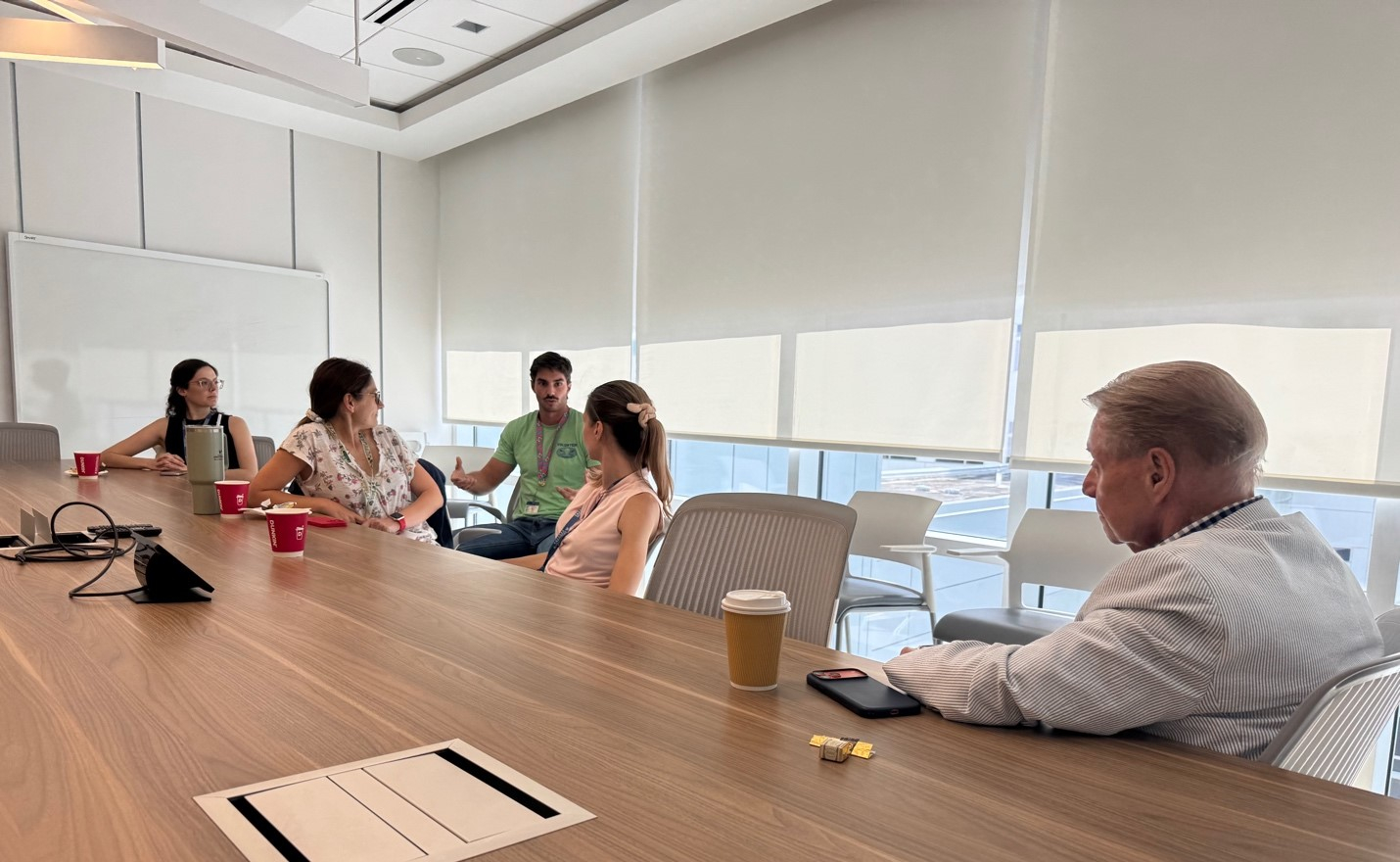
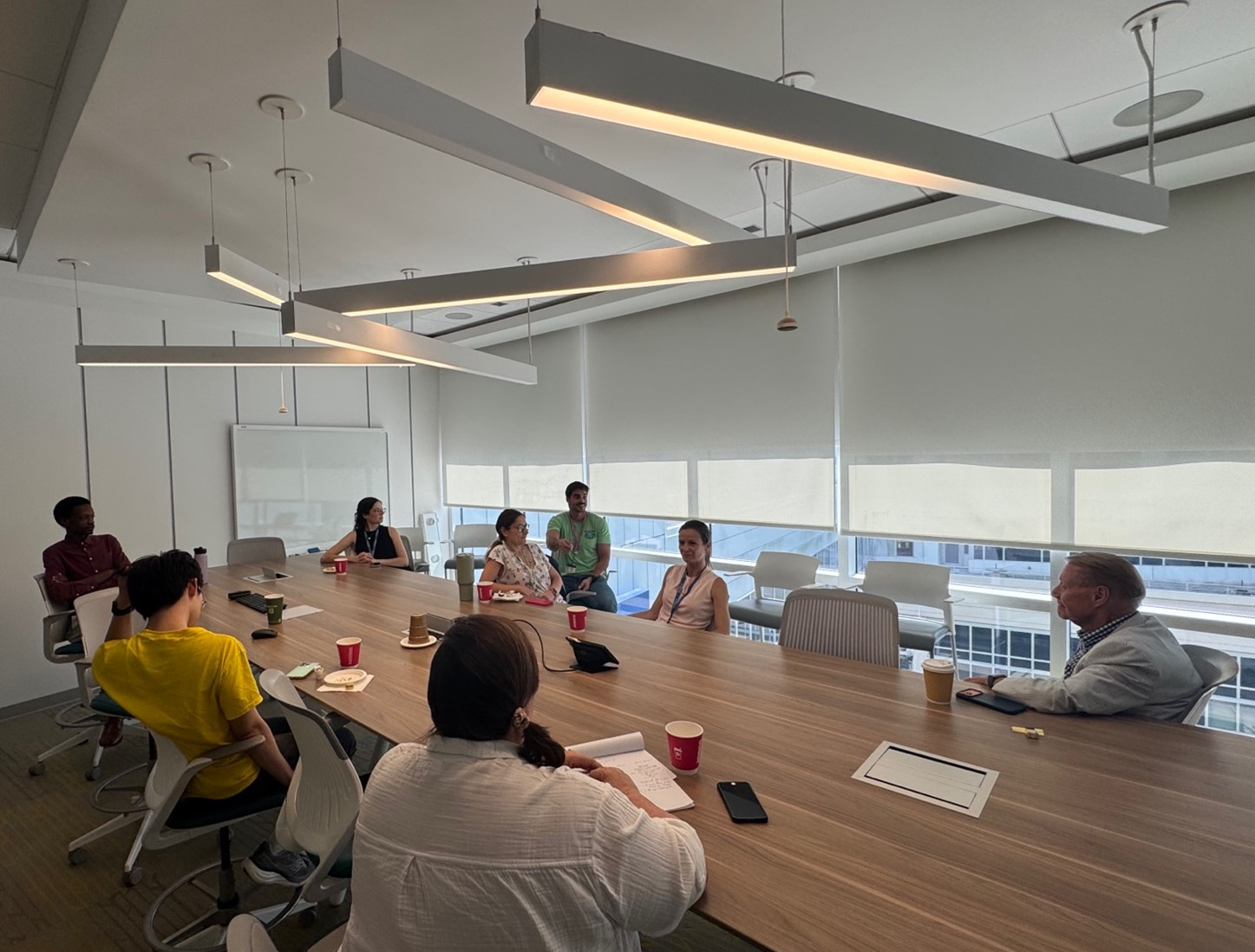
Dr. Smith was invited by the Johns Hopkins All Children’s Hospital Postdoctoral Association (ACH-PDA) and co-hosted by the ACH-PDA and Dr. Jolan Walter. His visit brought together trainees, faculty, and members of the IFBR community for conversations about scientific history, the future of biomedical research, and the personal foundations that sustain a long and meaningful career.
In his introduction, Dr. Walter described Dr. Smith as one of the main pillars of immunology and one of the giants whose discoveries created important resources that scientists continue to use today. Dr. Smith’s career reflects a defining shift in immunology: the movement from observing immune cells and their behavior to understanding the molecules, receptors, and regulatory systems that govern immune responses.
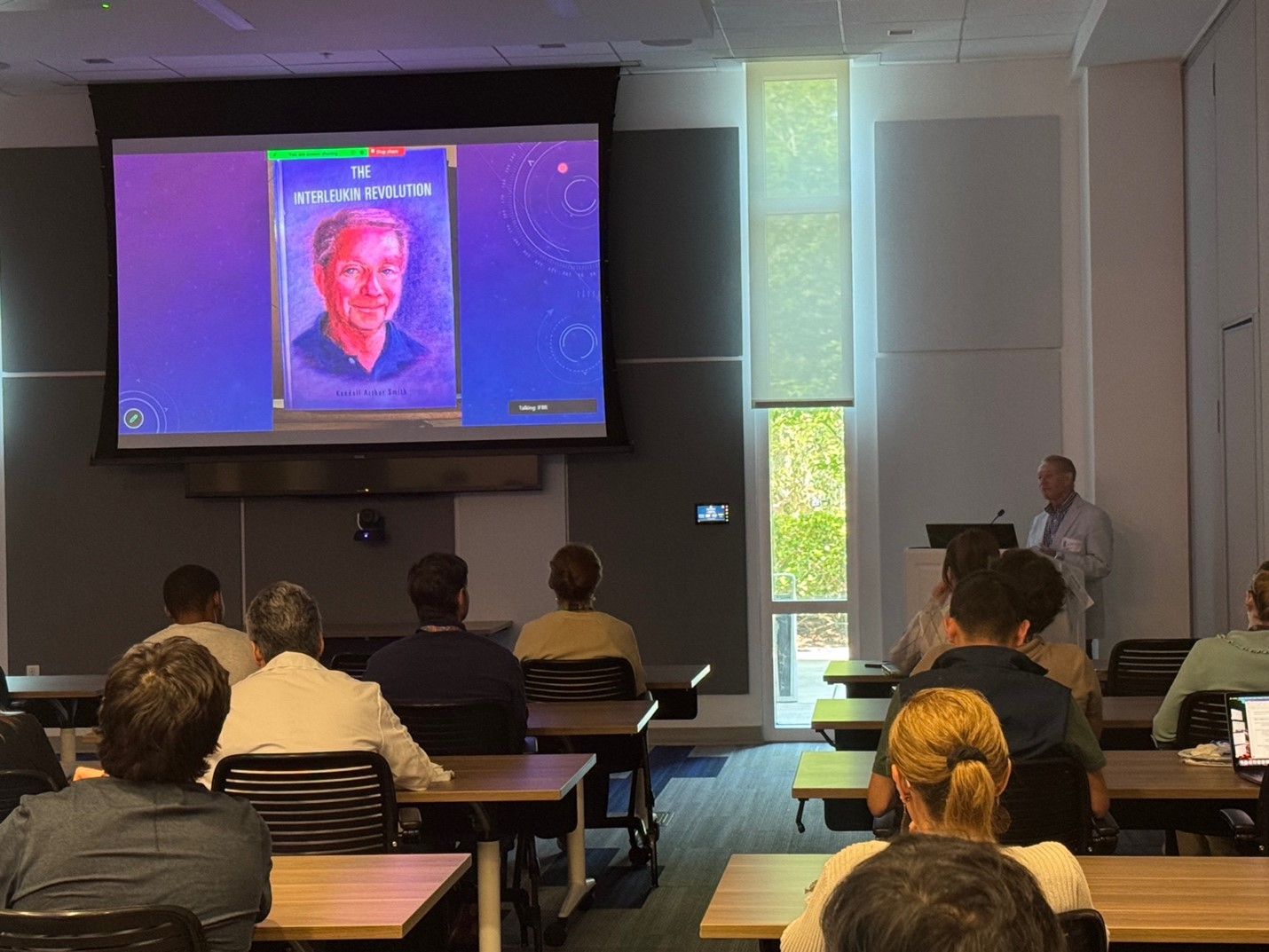
During his seminar, Dr. Smith shared reflections from The Interleukin Revolution and offered a preview of his next project, The Interleukin Revolution’s Ramifications. He described how interleukin discoveries helped move immunology from the cellular level to the molecular level, transforming the field’s understanding of how immune responses are initiated, amplified, regulated, and restrained. As Dr. Smith emphasized, “Everything exists in a delicate balance, and it is our job to understand it.”
His work on interleukin-2, T-cell growth, immune regulation, and the IL-2 receptor system helped define a molecular framework for understanding the tempo, magnitude, and direction of immune responses. These discoveries helped lay conceptual foundations for later advances in immune therapies for cancer, autoimmunity, transplantation, immune deficiencies, and inflammatory disease.
Dr. Smith is also the author of publicly available works that document this scientific journey, including The Interleukin Revolution, Molecular Immunity: A Chronology of 60 Years of Discovery, and The Quantal Theory of Immunity: The Molecular Basis of Autoimmunity and Leukemia. Together, these writings preserve both a record of discovery and the history of how immunology became a molecular science.
One of the most meaningful messages from Dr. Smith’s visit was his reminder that "science is one of the most creative things a person can do." His career showed that creativity in science is not separate from rigor. It is expressed through the ability to see what is missing, reduce complexity, develop or adopt new tools, and ask questions that can move a field forward.
That creativity was evident throughout his seminar. Dr. Smith reflected that scientists often need to discover and invent new technologies in order to answer the questions they truly want to answer. For trainees, this was a powerful reminder that transformative science begins with recognizing a gap in knowledge and then using the tools available — or building new ones — to close that gap. He encouraged trainees to be resilient in the face of challenges, offering a simple but resonant message: “Anything is possible in science, but some things can take a very long time.”
His seminar also connected the history of immunology to the future of science. In closing, Dr. Smith reflected that artificial intelligence may transform discovery in a way comparable to the invention of the printing press. His message was clear: the tools of science will continue to change, and scientists must learn how to use them with insight, rigor, and purpose.
We are grateful to Dr. Smith for sharing his time, wisdom, and perspective with the IFBR community. We are also grateful to IFBR and Dr. Walter for helping the ACH-PDA to bring this meaningful visit to our research community. Dr. Smith reminded us that discovery is not only about answering the questions before us. It is also about seeing the gaps clearly, building from the foundations laid by those before us, and using the tools of our time to move knowledge forward.
As we continue our work across biomedical research, translational science, and human health, we carry forward this lesson: learn all you can, ask what is missing, create boldly, and contribute with purpose.
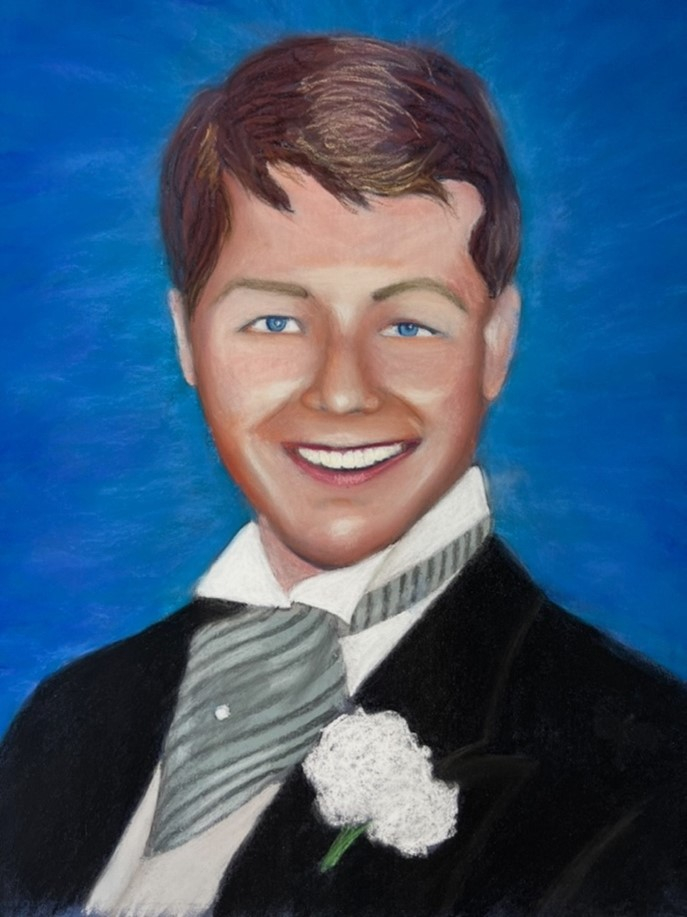
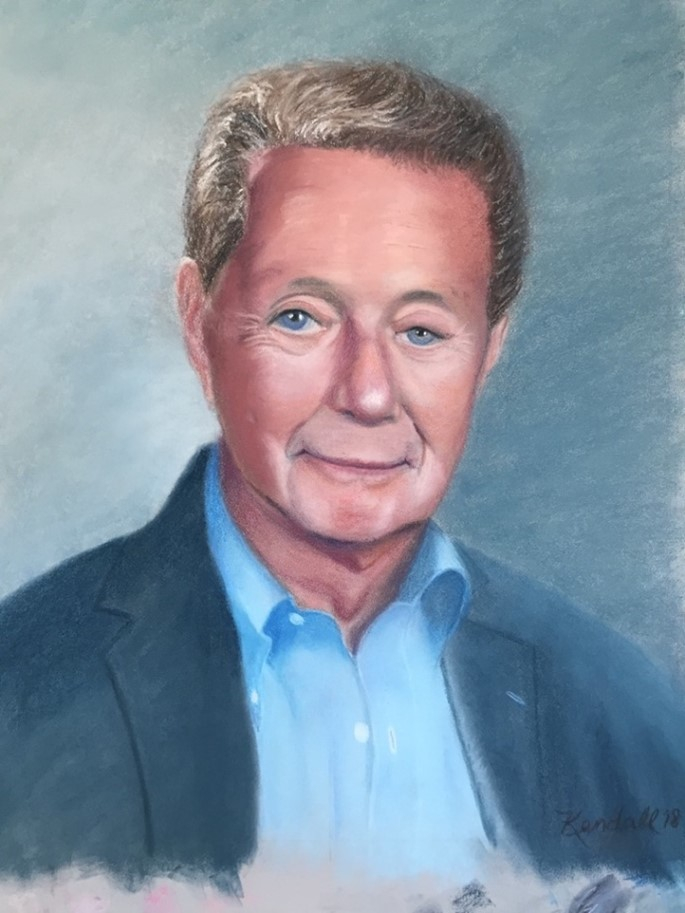
*Self-portraits by Dr. Kendall Smith